
“The Fixer”
Welcome to The Fixer, a weekly newsletter from The WayFinders Group.
You could be making headlines for all the wrong reasons, but it may not happen to you, because you’re here learning from other leaders’ spectacular missteps. Every Friday, we forensically examine the corporate crises that could have been avoided with foresight, fresh thinking, and a phone call to the right people (aka us!). We also provide the next installment of our agony aunt column, and an opportunity for reader participation with our latest poll.
FRIDAY FIASCO:
Meta laid off 600 AI employees last week from the teams that built Meta AI. Chief AI Officer Alexandr Wang’s memo said cutting people would mean “fewer conversations will be required to make a decision.” The cuts hit legacy research and product teams. The new division with expensive hires from earlier this year, TBD Labs, wasn’t touched. Internal sources said the AI unit was bloated. Teams competed for computing resources. The division was oversized before the new hires even arrived.
Laid-off staff were told they’re in a “non-working notice period” until 21 November with their access removed and no work required. Now they can spend their garden leave finding another Meta role with severance amounting to 16 weeks plus two weeks per year of service, minus the notice period.
Even a cursory read of the comms is jarring. Wang’s memo read: “It’s never an easy decision to say goodbye to colleagues. These are talented people who have worked extremely hard. This by no means signals any decrease in investment. In fact, we will continue to hire industry-leading AI-native talent.”
If we were advising Meta we would advise them to:
- Be honest about the planning failure. If the unit was bloated before expensive new hires arrived, why didn’t you address it then? Name the mistake: “We expanded too quickly without proper integration.”
- Acknowledge the contradiction. You can’t call people talented whilst laying them off and protecting costlier recent hires. Either the new talent brings something legacy couldn’t, or you’re protecting recent investments. Call a spade a spade.
- Address those who stayed. The 3,000 remaining employees are assessing whether their paycheck is worth it. When you cut 600 people for “efficiency,” everyone left is wondering if they’re next.
- Build trust through what comes next. “Fewer conversations” as justification suggests efficiency trumps everything. What does that mean for collaboration? For institutional knowledge? Great leaders don’t just explain cuts—they explain what culture they’re building afterwards.
Meta wanted to move faster and they have managed it with a trust deficit with the world watching.
Your reputation takes years to build and one crisis to destroy. We repair the harm before it becomes your legacy.
Face the facts
Have you ever had to make mass layoffs?
- Yes, and I managed the process well
- Yes, but the aftermath was harder than expected
- Yes, and I’m still dealing with the fallout
- No, but I’m concerned it might happen
- No, and I hope it never does
Fix me!
Dear Leah,
I’m Chief Strategy Officer and I’m watching our “merger of equals” turn into a hostile takeover. Six months ago, we combined with a similar-sized company in what was supposed to be a partnership. Instead, their leadership team has systematically taken control of every key function. They’ve replaced our department heads with their people, implemented their systems exclusively, and even changed our office culture to match theirs.
When I raised concerns about losing our company’s identity, their CEO said “integration requires some sacrifices.” Our employees feel betrayed – they thought they were joining forces, not being absorbed. Morale is collapsing, our best talent is leaving, and clients are confused about our direction. The board keeps saying “these things take time to settle,” but it feels like our company is disappearing entirely. Was this always the plan, or have we just handled integration terribly?
Dear Caught in a Hostile Takeover,
INITIAL RESPONSE: You haven’t handled integration terribly – you’ve been systematically acquired while everyone pretended it was a partnership. The “merger of equals” language was either naive wishful thinking or deliberate misdirection.
READ MORE
Consider whether you want to be part of building something new or if it’s time to move on!
Fodder from the floor
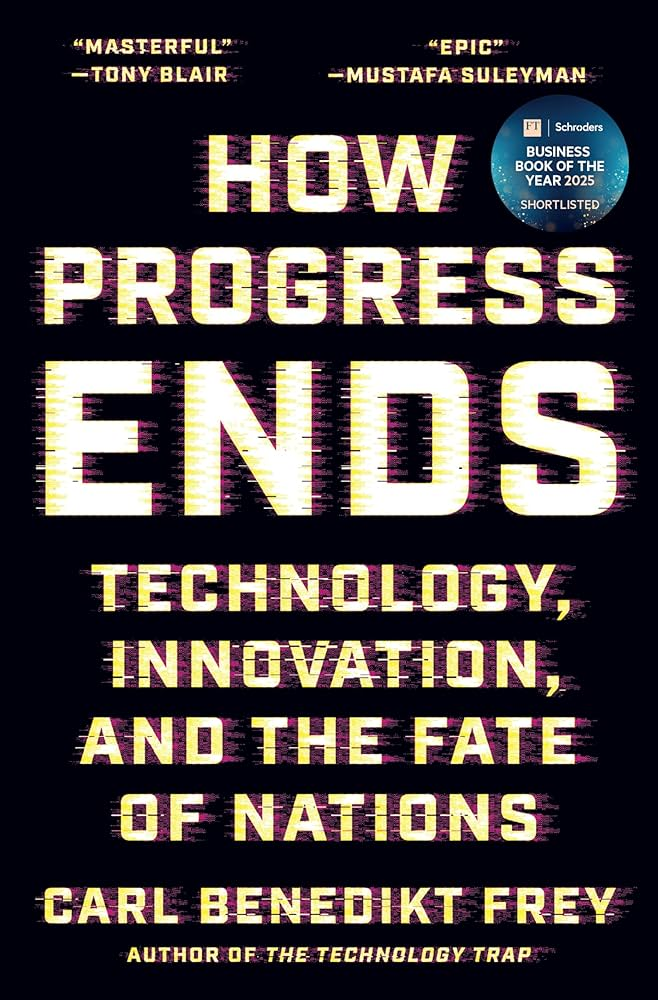
We attended a fireside chat with economic historian Carl Benedikt Frey, author of How Progress Ends: Technology, Innovation, and the Fate of Nations, stated:
“None of the leading bicycle companies led the automobile revolution, none of the leading car companies are leading in EVs, none of the traditional media companies are leading social media, none of the original retailers are leading e-commerce. New organisations tend to be quite important in driving technological progress, and you need to make space for that entry and exploration.”
